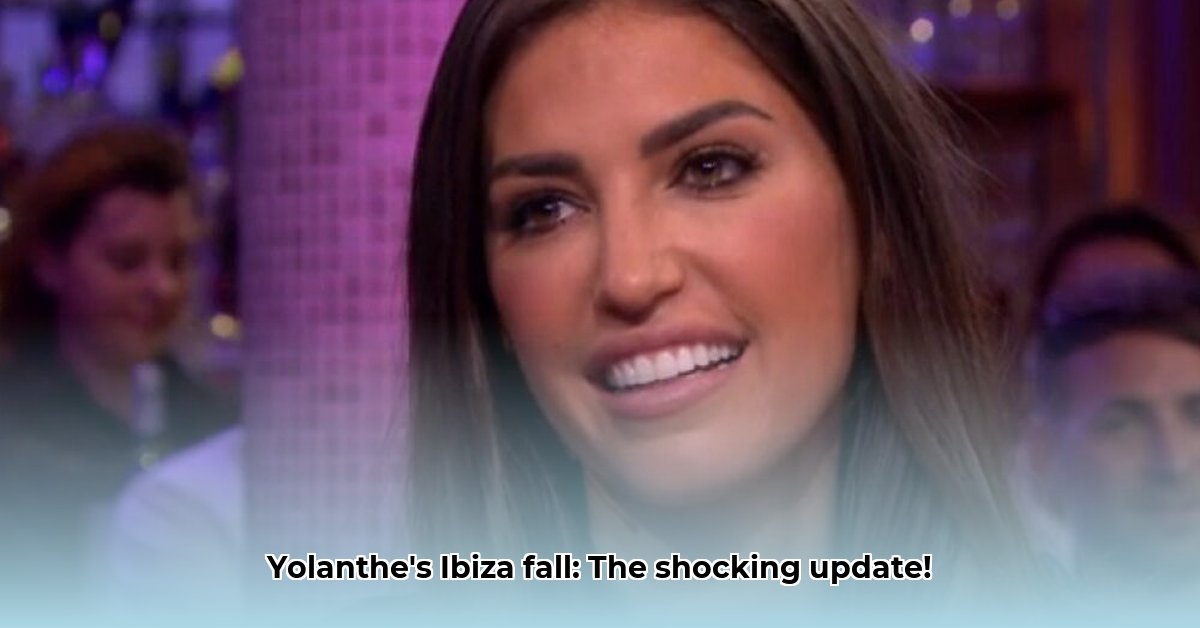
The Ibiza Fall: A Public Figure's Private Struggle
Ai, that fall Yolanthe Cabau took while horse riding in Ibiza – it certainly made headlines. News outlets like Story and NU.nl reported serious injuries: a broken pelvis, along with lower back and neck problems. While the initial shockwaves have subsided, lingering questions remain about her recovery and the broader implications of this incident. How is she truly faring? What lessons can we learn from this unfortunate event?
The initial reports painted a stark picture: a serious fall leading to significant injuries. However, details regarding her treatment and recovery progress remain scarce, leaving much to speculation. This delicate balance between respecting Yolanthe's privacy and satisfying public curiosity presents a unique challenge. It highlights the need for responsible reporting and careful consideration of the impact on both the individual and the broader public. Isn't it crucial that we understand the fine line between public interest and private suffering?
What We Know (and Don't)
The confirmed injuries—a broken pelvis, lower back, and neck issues—form the bedrock of our understanding. Beyond these confirmed details, however, information is limited. Neither Yolanthe nor her representatives have released official updates, understandably leading to conjecture and rumour. Wouldn't a carefully worded statement from her team offering brief, reassuring updates alleviate anxieties and curb the spread of misinformation?
Learning from the Fall: Actionable Insights
This event provides a valuable case study on managing information surrounding celebrity health crises. It underlines the crucial need for responsible reporting practices and clear communication strategies. How can we improve this process to ensure accurate information is shared in a sensitive manner, while simultaneously protecting the individual’s privacy?
| Stakeholder | Short-Term Goals (Next 12 Months) | Long-Term Goals (Next Few Years) |
|---|---|---|
| Yolanthe Cabau | Prioritising healing and minimal media interaction. | Potential advocacy for equestrian safety or injury rehabilitation. |
| Media Outlets | Emphasising factual reporting over sensationalism. | Developing robust ethical guidelines for reporting on celebrity health matters. |
| Equestrian Community | Implementing enhanced safety measures and risk management strategies. | Investing in injury prevention programs and advanced protective gear. |
| Public Relations | Developing comprehensive crisis communication plans for high-profile clients. | Strategically planning for and managing potential health-related crises efficiently. |
This table provides a snapshot of key priorities. A comprehensive analysis requires more detailed data regarding Yolanthe's treatment and recovery. But even with limited details, we can extract valuable lessons on responsible reporting and the importance of transparent, empathetic communication.
Yolanthe's accident serves as a sharp reminder of the inherent risks in equestrian sports, even for experienced riders. Improving safety standards and refining communication protocols remain crucial steps moving forward. We wish Yolanthe a speedy and complete recovery. Furthermore, let's hope this experience can facilitate positive changes within both the equestrian community and the way the media handles health-related reports about public figures.
Recovering from a Serious Equestrian Accident: A Guide
Yolanthe's experience highlights the severity of potential injuries in horse riding. Her broken pelvis, lower back, and neck injuries underscore the need for a comprehensive recovery plan, both physically and psychologically.
The Physical Recovery Path
The initial phase focuses on healing the broken bones and managing pain through surgery, physiotherapy, and rest. Think of it as rebuilding a fractured structure—a process demanding patience, and professional guidance. Yolanthe's recovery timeline is unknown, but her injuries suggest a prolonged process. Seeking expert medical advice is paramount. Regular check-ups and adherence to the physiotherapist's plan are crucial. How long does it typically take to recover from such significant injuries?
The Psychological Journey: Reclaiming Confidence
Recovery extends beyond mending bones. The trauma can deeply affect confidence and the horse-rider bond. Fear is normal, but overcoming it to return to riding requires a structured approach. How does one navigate and overcome the fear to regain the trust and joy associated with horse riding?
Don't rush it. Gradually reintroducing yourself to riding might involve groundwork, grooming, and simply spending time with your horse to rebuild trust. Professional therapeutic support is invaluable, assisting with fear management and potentially employing techniques like Cognitive Behavioral Therapy (CBT) or Eye Movement Desensitization and Reprocessing (EMDR).
Rekindling the Human-Horse Connection
The rider-horse bond transcends partnership; it's an emotional connection. A serious accident can strain this bond. Rebuilding it demands patience, sensitivity, and open communication—with your horse and yourself.
Key Recovery Aspects:
- Physical: Medical attention, physiotherapy, gradual exercise resumption are essential.
- Psychological: Professional counseling, CBT, EMDR, and self-care are vital.
- Bond Restoration: Groundwork, gradual riding reintroduction, and communication are key.
- Realistic Goals: Start modestly, celebrate milestones, avoid self-pressure.
- Support System: Leverage family, friends, trainers, and professionals.
Actionable Steps for Recovery from a Serious Equestrian Accident
Phase 1: Immediate Post-Accident (Weeks 1-4)
- Prioritize medical treatment and complete rest.
- Address trauma with a therapist, if necessary.
- Limit horse contact to avoid triggering anxiety.
Phase 2: Gradual Reintroduction (Months 2-6)
- Initiate groundwork exercises (grooming, leading).
- Begin short mounting sessions on a calm horse, under supervision.
- Focus on rebuilding trust and connection with your horse.
Phase 3: Return to Riding (Months 6+)
- Gradually increase riding time and intensity.
- Start with familiar activities at a slower pace.
- Continue receiving therapeutic support as needed.
Remember, recovery is unique. Be patient, celebrate progress, and don't hesitate to seek help.